
Navigating the "Red Tape":
A State-by-State Guide
Installing a Boxabl isn't just about delivery—it's about compliance. We break down the engineering and permitting challenges for key states to help you prepare.
Why is Permitting Complex?
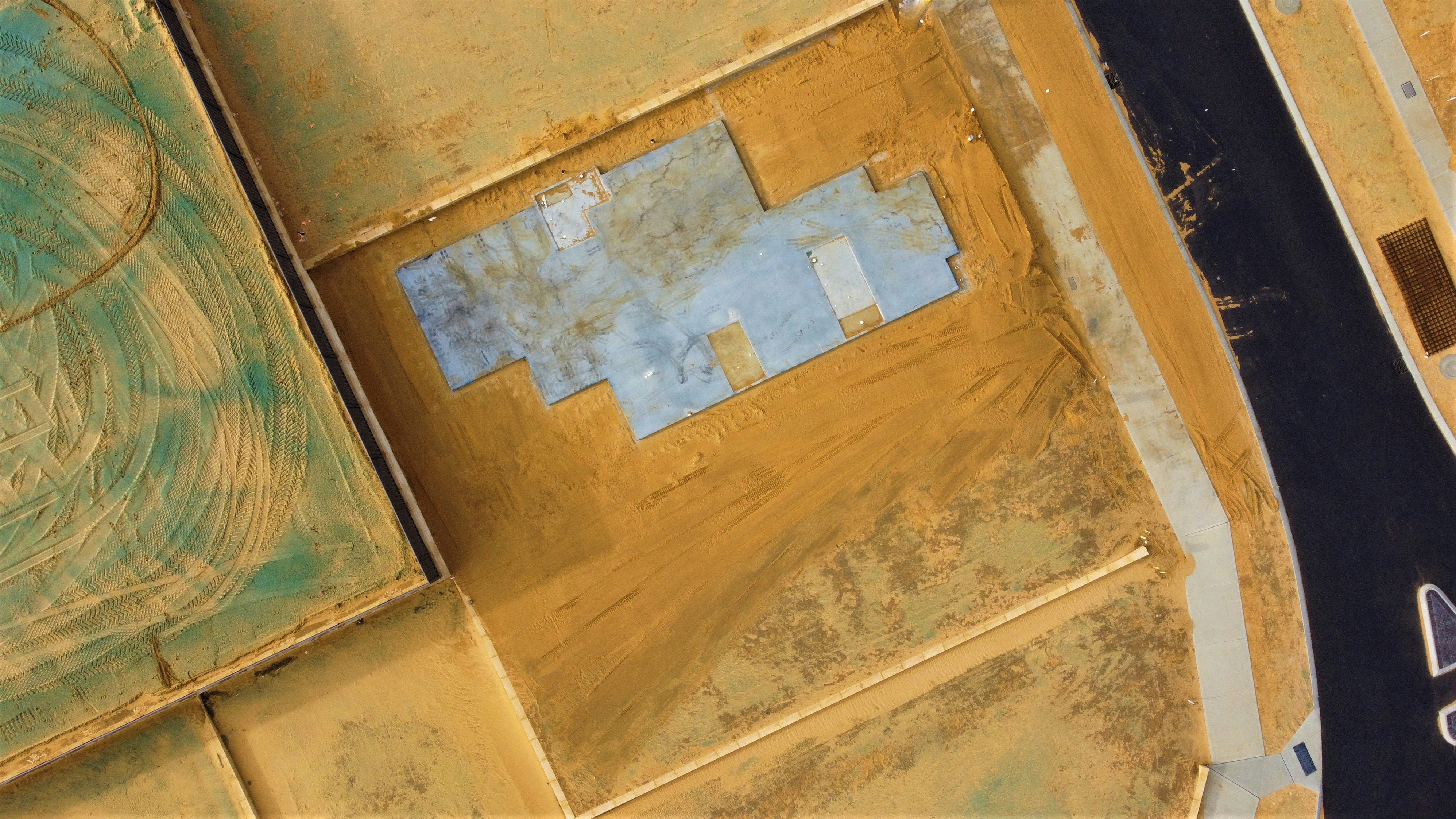
While Boxabl units are factory-certified as modular homes, they still require a permanent foundation to be legally habitable. This "marriage" of a factory-built structure to a site-specific foundation is where most permitting delays occur.
Local building departments need to see that the ground under your unit can support it, and that the connections meet local wind, seismic, and snow load requirements. That's where Oasis Engineering steps in.
- Site-Specific Foundation Engineering
- Zoning & Setback Verification
- Utility Connection Planning
- Local Code Amendments
State-Specific Requirements
Every state has unique environmental challenges. Here is what you need to know for the most popular Boxabl destinations.
Florida
Boxabl Casitas are not yet approved in Florida under the DBPR Manufactured Buildings Program. Florida treats factory-sealed units as "closed construction" requiring state-level factory inspection before installation. A narrow site-specific PE pathway under FBC 104.11 may exist, but only with written building official approval. Wind loads (140+ mph), flood zone compliance, and hurricane anchorage drive foundation engineering.
Key Engineering Checks
- DBPR insignia not yet issued
- FBC 104.11 PE pathway (if accepted)
- Hurricane wind & flood zone engineering
Texas
Boxabl received official state-level regulatory approval in Texas in May 2026, making it one of the largest markets open for Casita deployment. New statewide ADU legislation (HB 1779, SB 673) limits local NIMBY restrictions on lot sizes and owner-occupancy requirements. Soil conditions still vary widely — expansive clay in North Texas, rocky terrain in the Hill Country — and coastal counties require windstorm inspection.
Key Engineering Checks
- State-level approval granted May 2026
- HB 1779 & SB 673 remove local ADU barriers
- Expansive soil & coastal windstorm engineering
Nevada
As the home of Boxabl's factory, Nevada is familiar with the product. However, Clark County and Las Vegas have rigorous inspections. Thermal expansion and energy efficiency calculations often need to be verified for the extreme desert heat. Grading and drainage plans are critical here.
Key Engineering Checks
- Clark County specific amendments
- Energy efficiency verification
- Grading/Drainage plan emphasis
Arizona
Arizona is becoming a hotbed for Casita installations. Phoenix and Tucson have relaxed regulations to encourage ADUs. The primary engineering challenge is often the foundation interface with hard caliche soil and ensuring proper thermal breaks. Zoning setbacks are strictly enforced.
Key Engineering Checks
- Hard soil excavation/engineering
- Relaxed ADU laws in major cities
- Solar readiness requirements
California
California state laws strongly support ADUs, overriding many local restrictions. However, technical requirements are intense. Foundations must be seismically retrofitted or designed for high earthquake zones. Additionally, many areas fall into the Wildland-Urban Interface (WUI), requiring special fire-resistant materials and buffers.
Key Engineering Checks
- Seismic Design Category D/E/F
- Wildland-Urban Interface (WUI) compliance
- Title 24 Energy calculations
The "Red Tape" Checklist
Before you schedule your delivery, ensure you have crossed off these critical pre-construction items:
Ready to Break Ground?
Don't let permitting hold you back. Get the professional engineering plans you need to satisfy your local building department.
Don't have a Boxabl yet? Order your Casita directly from Boxabl.